

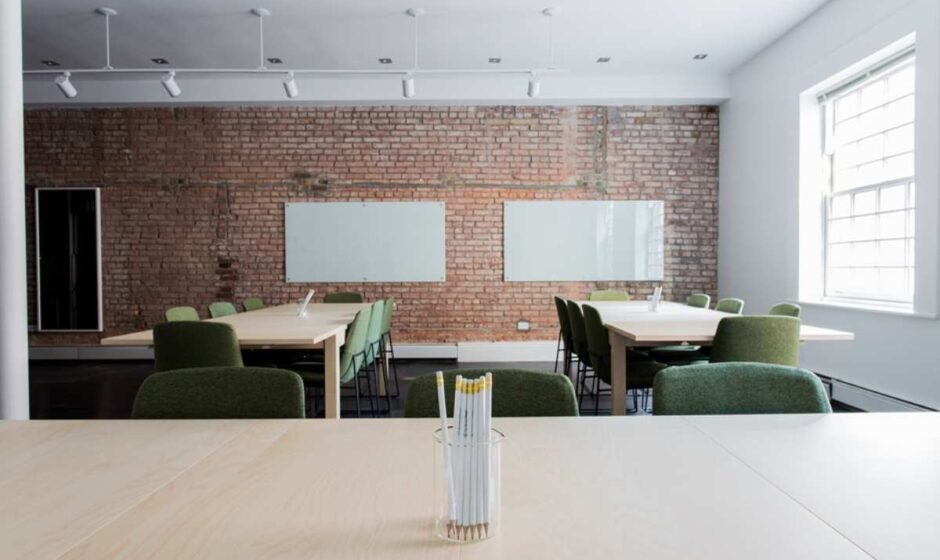

Looking for student engagement hacks?
The easiest way to boost student performance isn’t going to cost you a penny. It’s not new tech, the latest pedagogy, or a magic teaching trick.
It’s cleaning up the learning space.
Here’s why:
Messy classrooms kill student engagement. When there are piles of resources everywhere. Paper and supplies strewn all over. Visual clutter galore… that’s just too much for young brains to manage.
The research is clear. Classroom design impacts learning by 25%. Negatively or positively depending on how the physical space is set up.
Decluttering is free. You can start tomorrow. But the difference it makes to student engagement is night and day.
The must-have tools? The right plastic tray storage to keep supplies tidy but easily accessible. That’s what turns chaos into a calm learning space almost instantly.
If you’re looking for some cheap and cheerful ways to make your classroom more inviting to your students then read on. The tips below will quickly make your room more appealing and workable.
Here’s what we cover:
- How Mess Kills Concentration
- Organisation = Engagement
- 5x Decluttering Tactics That Really Work
- Plastic Tray Storage Solutions for Every Room
- Tips for Maintaining a Clutter-Free Classroom
How Mess Kills Concentration
Visual clutter is the enemy of student focus.
Imagine walking into a room where books are piled on the floor. Papers are everywhere on the tables. Supplies have no home and are dumped in piles in the corners. Desks and chairs are haphazardly pushed around.
Does anyone feel like learning in that space?
No.
That’s what happens to the brain when the physical environment is too chaotic. It floods the working memory, leaving less cognitive capacity for the real work of learning.
Students already live in a visually noisy world. Screens, advertising, billboards, social media. Their visual attention is constantly being hijacked. School should be a peaceful refuge from that bombardment… not another place that just causes more stress.
The problem is particularly acute with younger children. They lack the words to express how chaos makes them feel. A five-year-old can’t explain “there’s just so much visual stimulation in here”.
Educators have to be proactive about creating healthy learning spaces.
Storage solutions are key. Quality classroom tray storage keeps everything neat, tidy, and out of the way when not needed. That one switch alone can make a world of difference to visual clutter.
Organisation = Engagement
Student engagement is at a tipping point.
According to recent research, fewer than one in three administrators, teachers, and parents think students are truly engaged in learning these days. Eighty percent of teachers are worried about student engagement in their classrooms.
But why is it so bad?
The state of the physical environment is part of the answer. When classrooms are reorganised with proper storage and less clutter, the difference is clear. 92% of students rate learning in well-organised spaces as fun. Compare that to 50% in cluttered rooms.
Behaviour also improves in a tidy classroom. When there’s a place for everything, less time is spent looking for things. There’s less confusion. Transitions are smoother.
Visual simplicity helps too. There’s less to distract from the learning at hand.
Here’s a simple way to think about it:
A messy desk leads to messy work. But clean, clutter-free learning spaces help kids focus on what they’re doing. The learning environment sets the tone for all that happens within it.
5x Decluttering Tactics That Really Work
Want to revolutionise your classroom?
Here are 5 decluttering strategies you can start today for zero cost and maximum effect.
Remove the Unnecessary
The easiest way to start decluttering is to just remove what isn’t needed.
If something hasn’t been used in 6 months, it probably won’t be used at all.
School teaching spaces should be for learning, not storage.
Do a sweep of the room. One question to ask yourself for every item in every cupboard, box, tray and container.
“Does this directly support student learning?”
If the answer is no…bin it.
Create Defined Storage Zones
Every item should have a home.
Modular plastic tray storage is ideal for this. They keep resources sorted by subject, activity, or student group.
The trick is making storage accessible to students. They can independently grab what they need and put it away themselves. This builds ownership and keeps things tidy.
Try:
- Subject-specific trays for different materials
- Individual student storage for personal items
- Teacher resource areas distinct from student zones
- Seasonal rotation for out-of-use items
Attack the Walls
The walls are four more surfaces begging for clutter. Posters, displays, decoration… These can be as much as physical junk.
The “less is more” rule applies to walls too. Put up student work thoughtfully and rotate regularly. Leave plenty of blank space to give the eyes a rest.
Clean Up Digital Clutter
Don’t forget about projector screens and interactive displays. These are major sources of visual “noise” when on but not being used.
Turn off when not in active use. Or switch to calming images that lower stress instead of increase it. Nature scenes are ideal.
Establish Traffic Patterns
Think about how students move around the room. Where do they go to sharpen pencils? Retrieve supplies? Gather in groups?
Every time students have to walk around obstacles or wait in bottlenecks, teaching time is wasted. Clear pathways and logical flow prevents physical clutter from building in high-traffic areas.
Choosing the Right Storage Solutions
Not all storage is created equal. The best classroom plastic tray storage solutions have some key characteristics in common.
Durability is important. Classroom storage takes a beating every day. Quality materials and construction mean trays last years not months.
Flexibility is key. Modular systems that reconfigure as needs evolve are best. Activities and subjects change. Storage should adapt with them.
Visibility helps. Clear or colour-coded trays let students quickly identify what they need without opening everything.
Investing in quality storage is an investment in better organisation. And that leads to better student engagement.
Bringing It All Together
Decluttering the physical learning environment is one of the simplest yet most powerful changes any educator can make… for almost no money.
Here’s a quick recap of the key points:
- Visual clutter overwhelms working memory = less focus
- Organised classrooms lead to better student engagement
- Remove items not directly supporting learning
- Invest in quality storage that keeps materials accessible but tidy
- Manage walls and digital displays as carefully as floor space
- Establish clear traffic patterns to avoid clutter build up
Little tweaks to the physical learning space have a big impact on how students engage with learning. The evidence is overwhelming.
Start with one area of the room. Declutter it completely. Add appropriate storage. Then tackle the next space.
In weeks, the transformation will be clear. Not just in how the room looks. But in how students learn within it.