

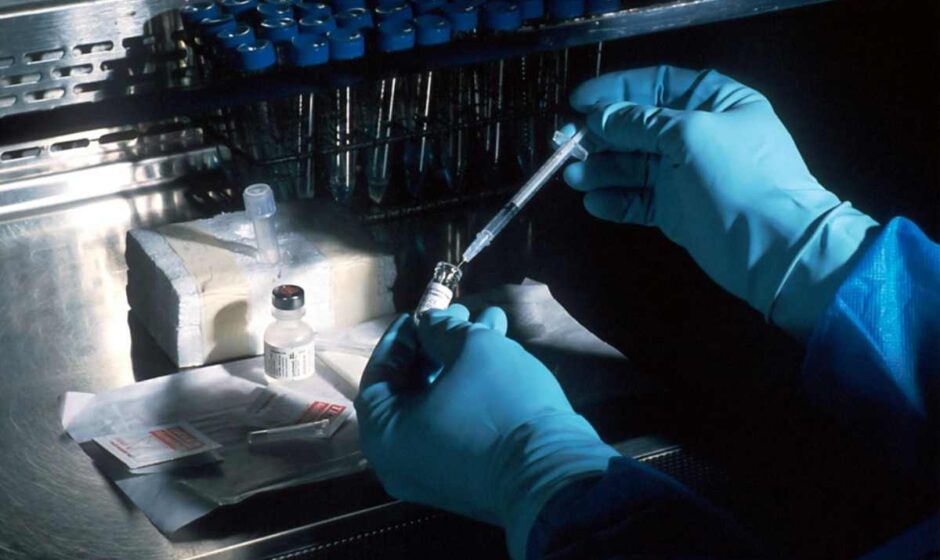

Biotech research has always been a grind. Brilliant ideas meet endless pipetting. Exciting hypotheses get buried under manual data entry. Scientists spend more time on repetitive tasks than on creative thinking. This is changing. A powerful duo is transforming the lab.
Automation handles the physical work. Artificial intelligence tackles the mental load. Together, they are streamlining every step of discovery. The result is faster research, better data, and happier scientists. Let’s explore how this partnership works.
The End of Repetitive Labor
Walk into any lab ten years ago. You would see scientists hunched over benches. They pipetted for hours. They labeled tubes. They transferred plates. This work was essential. It was also mind-numbing. It led to errors and burnout.
Automation has erased most of this. Robots now handle liquid transfers. Automated incubators manage cell cultures. Plate readers process samples overnight. Scientists are freed from the drudgery. They can focus on designing experiments, not executing them. This shift alone accelerates research dramatically.
Making Sense of the Data Deluge
Modern instruments generate firehoses of data. A single experiment can produce terabytes. Humans cannot process this manually. We would drown. AI steps in here. Machine learning algorithms sift through the noise. They find patterns invisible to the eye. They identify subtle correlations. This is especially powerful in complex fields.
Consider the explosion of single cell omics. These experiments profile thousands of individual cells. Each has its own genetic and protein data. AI algorithms cluster these cells into meaningful groups. They reveal rare populations. They connect gene activity to function. The insights would be impossible to find otherwise.
Predicting Success Before It Happens
The biggest waste in biotech is failed experiments. Months of work lead nowhere. AI is changing this calculus. Predictive models analyze past data. They identify which conditions are most likely to succeed. They flag potential problems before they occur. In cell line development, algorithms predict high-producing clones early.
In drug discovery, they screen millions of compounds in silico. Only the most promising candidates go to the lab. This shifts the paradigm from trial-and-error to informed selection. Success rates climb. Failure costs plummet.
The 24-Hour Lab Assistant
Automation works while you sleep. This is obvious. But AI adds another layer. It monitors experiments in real time. It detects anomalies immediately. A culture might be growing too slowly. A sensor might show unexpected pH changes. The AI alerts the team instantly. It might even adjust parameters automatically.
This continuous vigilance prevents disasters. It also optimizes conditions on the fly. Experiments run better than any human could manage alone.
Connecting the Dots Across Experiments
Scientific knowledge is fragmented. One lab studies protein A. Another studies protein B. Connections between them go unnoticed. AI excels at synthesis. It can read thousands of papers. It can integrate data from multiple experiments. It identifies relationships no single researcher would see.
A recent AI tool analyzed single-cell data from Alzheimer’s patients. It found previously unknown cell states involved in the disease. This cross-experiment insight generates new hypotheses. It accelerates the entire field.
Democratizing Advanced Analysis
Not every lab has a bioinformatics expert. AI is changing this. User-friendly platforms now automate complex analyses. A biologist can upload single-cell data. The software handles normalization, clustering, and visualization. It generates publication-ready figures.
This democratization is huge. It empowers every scientist to use cutting-edge tools. It removes the analysis bottleneck. Discovery becomes accessible to more people.
Learning That Never Stops
The beauty of AI is its ability to improve. Every experiment adds to its knowledge base. It learns which conditions worked. It remembers which predictions failed. Over time, its recommendations get smarter.
This creates a virtuous cycle. The lab’s collective experience compounds. Each project benefits from everything that came before. The organization becomes more intelligent collectively.
The Human Partnership
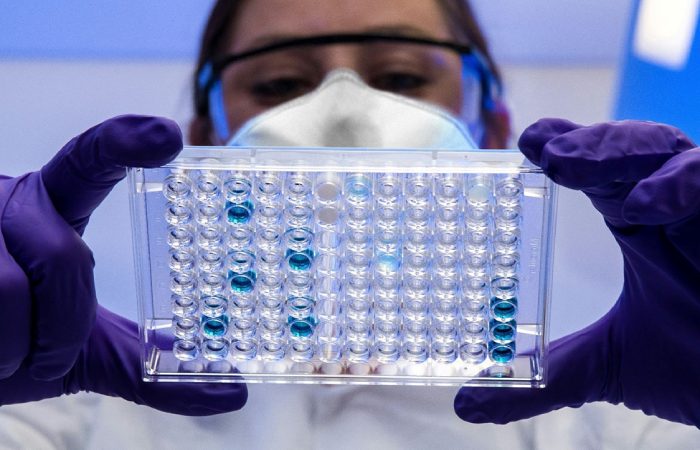
Does this make scientists obsolete? Absolutely not. AI and automation handle the routine. They manage the data. They flag the patterns. But humans still ask the questions. Humans design the experiments. Humans interpret the results in context.
Machines are tools. Powerful ones, but tools nonetheless. The best labs combine human creativity with machine precision. They let each do what they do best. This partnership is the real engine of modern biotech.
The Takeaway
The lab of the future is already here. Robots handle the pipettes. AI crunches the numbers. Scientists focus on the big questions. This streamlined workflow compresses timelines. It improves data quality. It frees human minds for what they do best: imagining, questioning, and discovering.
The result is faster cures, better therapies, and a deeper understanding of life itself. Automation and AI are not replacing science. They are supercharging it.