

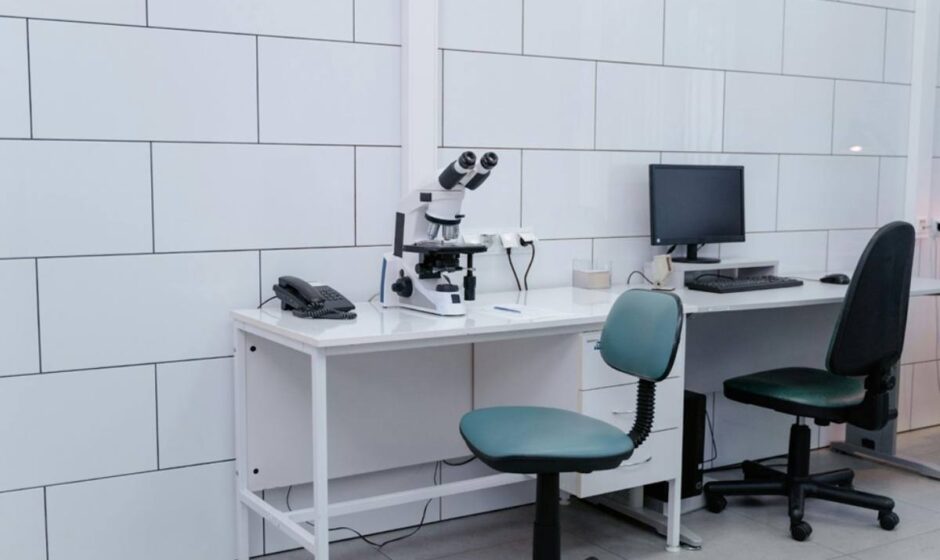

Beautiful images win grants. They grace journal covers. They reveal biology’s deepest secrets. But behind every stunning picture lies a problem. A massive, growing problem. It is data. Modern imaging labs generate staggering amounts of information. A single experiment can produce more data than a small library.
Managing this deluge is becoming a full-time job. Labs are drowning in terabytes. The crisis is real. Let’s explore the challenges and how smart teams are coping.
The Scale Problem
Think about the numbers. A standard microscope once produced modest file sizes. A few megabytes per image. That was manageable. Today’s systems are different. Consider a high resolution confocal imaging setup. It captures optical sections through thick samples.
Each slice is a detailed image. Stack them together and the file grows fast. Add multiple fluorescent channels. Now multiply by time points. A single time-lapse experiment can easily hit hundreds of gigabytes. This is not exceptional. It is routine.
Storage Is Never Enough
Labs constantly chase more storage. They buy external hard drives. They request network attached storage. It fills up immediately. The cycle repeats. This chase is exhausting. It is also expensive. Enterprise-grade storage costs real money.
Many labs underestimate the ongoing expense. They budget for the microscope. They forget the data it generates. A year later, they scramble for funds. The data never stops coming. The storage problem never ends.
The Backup Nightmare
Hard drives fail. It is not a matter of if. It is a matter of when. Losing years of imaging data is catastrophic. Experiments cannot be repeated easily. Some samples are irreplaceable. Proper backups are essential. They are also difficult. Backing up hundreds of terabytes takes time. It requires robust infrastructure.
Many labs rely on external drives sitting on shelves. This is not a backup strategy. It is a disaster waiting to happen.
Finding Needles in Haystacks
Data is useless if you cannot find it. Imaging labs struggle here. File names like “experiment1.tif” multiply. Folders sprawl without structure. A researcher needs a specific image from two years ago. They spend hours searching. Sometimes days. Sometimes they never find it. This lost productivity adds up. It frustrates everyone. It slows science.
Good metadata would solve this. Consistent naming, detailed logs, organized folders. But maintaining this discipline is hard when everyone is busy.
Sharing and Collaboration Hurdles
Science is collaborative. Imaging data needs to move. A collaborator across the country wants to see your results. Sending a 50-gigabyte file is not trivial. Email fails. File transfer services choke. Compression helps but adds complexity.
Version control becomes a nightmare. Which version of the image did they analyze? Did they use the raw file or the processed one? These questions plague collaborations. They slow progress. They create confusion.
Analysis Bottlenecks
The images are just the beginning. Analysis is where insight happens. But analyzing huge files requires serious computing power. A laptop struggles with terabyte datasets. Dedicated workstations are needed. Software licenses cost money. Training takes time.
The analysis pipeline often becomes the rate-limiting step. Images pile up. The queue grows. Scientists wait. This delay defeats the purpose of faster acquisition.
The Long-Term Archiving Question
What happens to data after the paper publishes? Journals require access. Funders mandate preservation. But keeping data forever is impractical. Costs accumulate. Formats become obsolete. How do you store data for decades? How do you ensure future scientists can read it?
These questions lack easy answers. Labs grapple with them constantly. Some institutions offer central archiving. Many leave labs to figure it out alone.
Practical Solutions Emerging
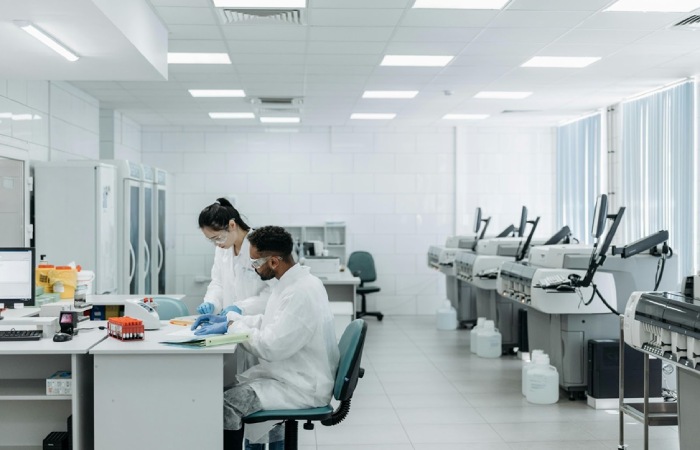
The situation is not hopeless. Smart labs are finding ways forward. They adopt structured naming conventions from day one. They use electronic lab notebooks to track experiments. They invest in centralized storage with automatic backups. Some use cloud solutions for collaboration. Others build local servers with redundant drives.
The key is planning. Data management cannot be an afterthought. It must be part of every experiment’s design. It requires dedicated personnel time. Labs that treat data as a first-class citizen thrive. Those that ignore it struggle.
Wrapping It All Up
The imaging revolution is here. The pictures are breathtaking. The biology they reveal is profound. But the data they create is a responsibility. Labs that manage it well will lead the field. Those that do not will drown in their own success.
The challenge is real. The solutions exist. It just takes intention, discipline, and a willingness to treat data management as seriously as the science itself.